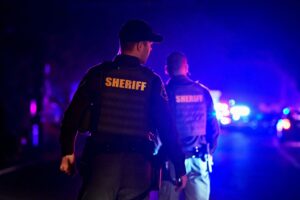
The Pulse nightclub shooting remains one of the darkest mass-casualty attacks in modern American history. On June 12, 2016, a gunman opened fire inside Pulse, an LGBTQ+ nightclub in Orlando, Florida, during a Latin Night event.
Forty-nine people were killed and 58 others were injured by gunfire. The attacker, 29-year-old Omar Mateen, was later killed by police after an hours-long standoff inside the club. The FBI classified the attack as an act of terrorism.
What Happened at Pulse Nightclub?
The shooting began shortly after 2 a.m. as people gathered inside the nightclub. The attack quickly turned into both a mass shooting and hostage situation as people were trapped inside the building.
First responders rushed to the scene as victims and survivors attempted to escape. Police officers engaged the gunman before a prolonged standoff developed inside the club.
After several hours, officers breached the building and killed the attacker. The operation ultimately allowed hostages and survivors to escape.
The Victims of the Pulse Shooting
The 49 people killed came from different backgrounds, but many were part of Orlando’s Latino and LGBTQ+ communities. Pulse had been hosting a Latin Night when the shooting occurred.
The victims’ deaths left families, friends, colleagues, and communities across the United States and beyond grieving. Their names and stories have continued to be remembered through memorials, anniversaries, and public tributes.
The attack also became one of the deadliest acts of violence against LGBTQ+ people in U.S. history.
The Shooter and the Investigation
The gunman was identified as Omar Mateen. During the attack, he made calls to emergency services and claimed allegiance to the Islamic State.
The FBI later concluded that the attack constituted an act of terrorism. Investigators examined Mateen’s background, communications, motives, and possible extremist influences as part of the investigation.
Orlando Remembers the Pulse Victims
In the years since the shooting, Orlando has continued to honor the 49 people who died.
The Pulse site became a place of remembrance for families, survivors, and visitors. A permanent memorial is planned for the site. The former nightclub building was demolished in March 2026, with plans for a permanent memorial expected to continue.
Ten Years Later, the Memory Remains
The year 2026 marks a decade since the Pulse shooting. For survivors and victims’ families, the passage of time has not erased the pain of that night.
The tragedy continues to shape conversations about gun violence, terrorism, public safety, LGBTQ+ rights, emergency response, and the lasting impact of mass shootings on communities.
The victims are remembered not only as names connected to a tragedy, but as sons, daughters, partners, parents, siblings, friends, coworkers, and loved ones whose lives mattered deeply.
A Lasting Legacy
The Pulse shooting permanently changed Orlando and left a lasting mark on the United States.
The lives of the 49 victims continue to be remembered through their families, friendships, communities, and the memorial efforts created in their honor. Survivors have also carried the emotional and physical consequences of the attack for years.
As Orlando continues to remember the tragedy, the central message from the community remains one of remembrance, love, resilience, and a determination not to forget those who were killed.
The Pulse nightclub shooting was a devastating act of violence, but the lives of the victims continue to be honored through the memories of the people who loved them.
Disclaimer: This article is provided for general informational purposes. Details are based on publicly available official records and reporting, and information may be updated if new verified details become available.